

Impact
A more open classroom starts with a shared language
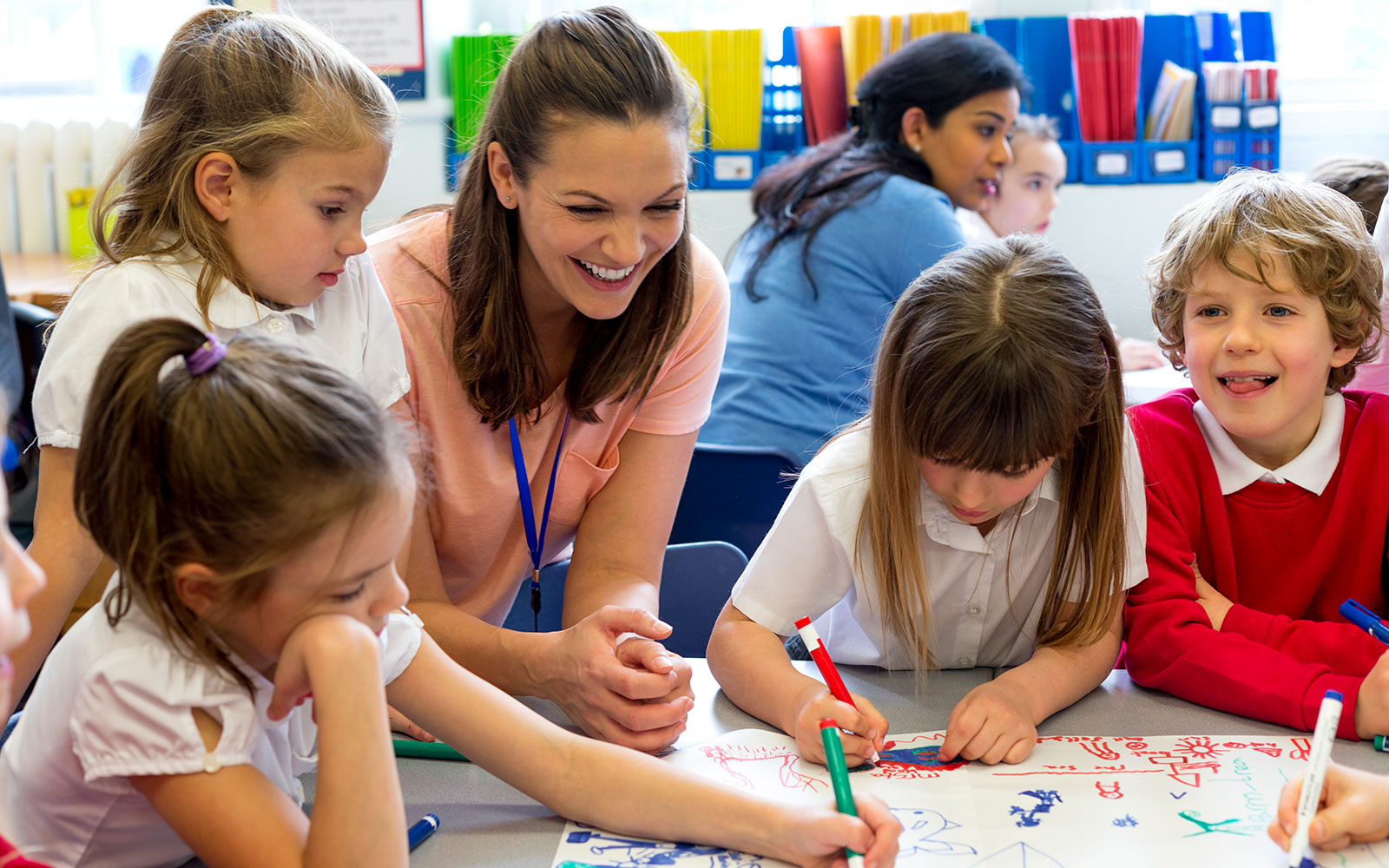
When children have words for their emotions, they are better able to explain what is happening, ask for help and understand the experiences of others. Teachers using Heads Up Kids have reported more empathy, greater class cohesion and stronger relationships between children and staff.
They have also seen children develop strategies for regulating emotions, navigating friendship difficulties and responding more positively when things do not go to plan.

What teachers have observed
Teachers complete evaluation forms before and after delivering the programme. From this data we can evidence the impact of the programme for both the school and our funders.
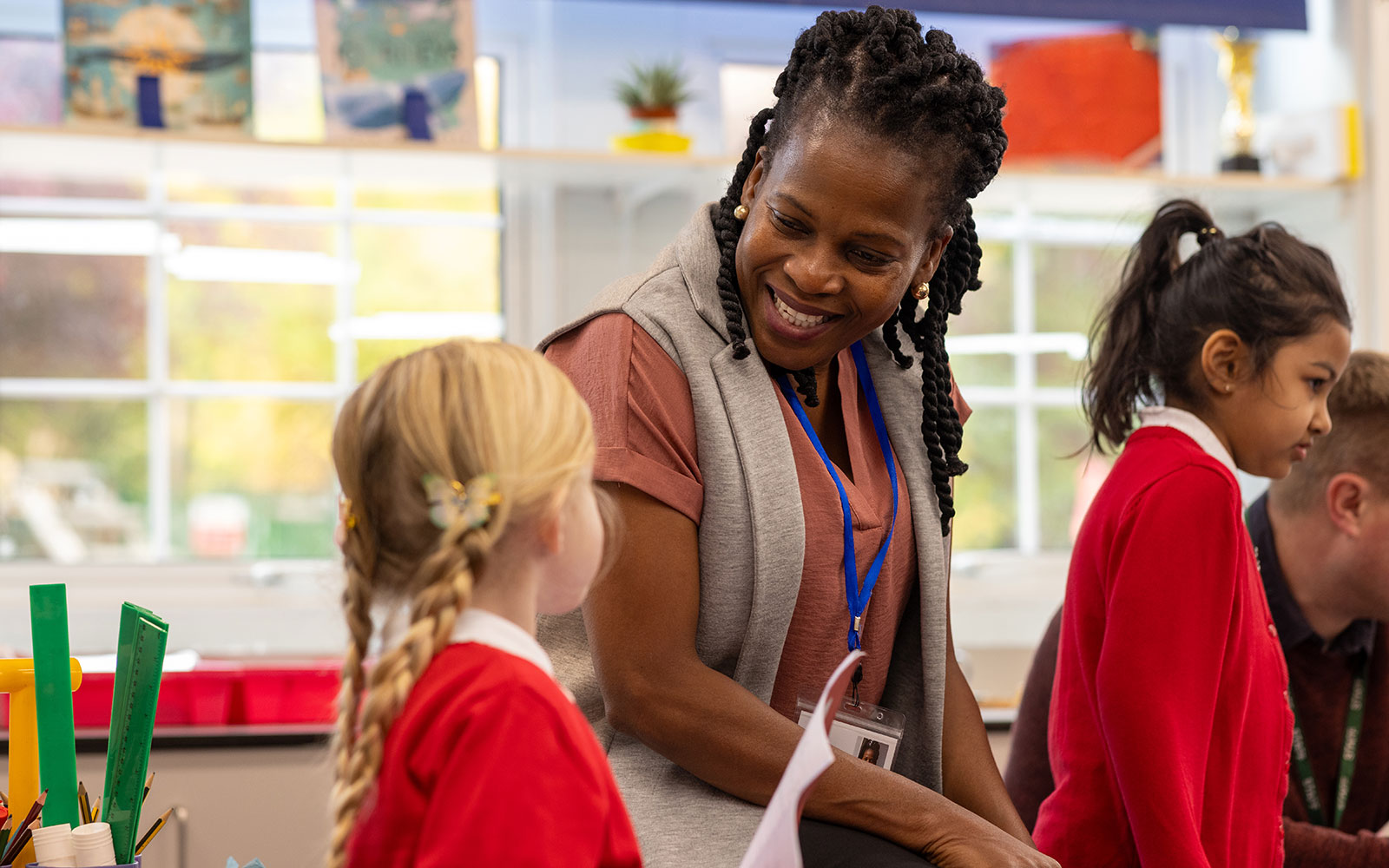
Children are becoming more confident expressing themselves and asking for support. They are learning that feelings can be managed, relationships can be repaired and difficult moments do not have to define what happens next.
The programme also gives teachers a practical language and set of tools they can return to when supporting the social and emotional life of the class.
Learning from every programme
Evaluation helps us understand what is working, what schools need and how our programmes can continue to improve. We gather feedback from teachers and children and use this learning to develop future training, resources and delivery.
As our reach grows, we want the evidence on this page to grow with it. Current figures, programme outcomes and case studies should give schools and funders a clear, honest picture of the difference their involvement can make.
What our data tells us
85%
reported the programme was easy to integrate into their PSHE provision.
97%
felt there was a positive change in children’s resilience and positivity
88%
would recommend the programme to another teacher
100%
agreed it supported them to embed wellbeing in the classroom
What teachers and pupils say...
Key Stage 1 Focus Group – Annunciation School – June 2025

We ran a mixed focus group with 10 Year 1 and 2 children.
We asked the children what they remembered from the programme and the story. They were able to recall the story and identify key learning lessons.
Children were able to relate what they had learnt from Sebby
“ We learnt where feelings are in our bodies”
“ Sebby taught us to ask for help”
“ He taught us to look after each other”
“ He taught us to work together”
“ In the playground he taught us to not hurt each other and to be kind”
We asked the children to rate the programme on a scale of 1-5. 1 being the lowest and 5 being the highest.
All 10 children gave the programme a 5 out of 5.
One child said “ I would give it a trillion”
Year 1 class teacher
“The programme is easy and the kids love it. We refer back to Sebby and the children encourage each other. The programme fits well with the Zones of regulation. Next year we will start the programme earlier”
The Senco
“As a whole we are seeing more children struggling with emotions and regulation and additional needs. The programme is beneficial to them. As a result all children have a better understanding of each other and are kinder and more accepting of each other. They like the concept of Sebby and its very tangible and relatable for them. It helps them with their imagination and empathy. We had a few new children and Sebby reinforced how we be kind to each other, help each other etc. We feel this wellbeing support is a crucial part of their education. Having run the programme we now feel that we will start at the beginning of the year as the programme will also support settling in”
Key Stage 1 Focus Group – Monksmead School – June 2025
We asked a class of Year 2 children what has changed since the programme?
“A kind classroom”
“Its peaceful”
“We are more calm and less angry”
“If the game changes we all find things we like together”
Year 1 Teacher Feedback - Little Reddings - June 2025
“The programme gives a lovely opportunity to talk about feelings and it’s their safe space. Happy secure children are ready to learn, this gives them the trust. The children are very much invested in the programme.”
Key Stage 2 Impact
Our data shows an impact across emotional literacy, emotional regulation, stronger relationships and calmer classrooms.
“What an amazing programme with great detail put into it. The guide book is so pleasant and easy to read through.”
KS2 Teacher
Emotional Literacy:
“Most children are able to articulate their emotions and why they are feeling the way they are feeling.”
KS2 Teacher
Calmer Classrooms:
“They are starting to use tools and the space in the classroom to calm down when they are having big feelings.”
KS2 Teacher
Stronger Friendships:
“Most children’s relationships have improved and children are now playing together more respectfully.”
KS2 Teacher
Feedback from children:
“I enjoyed playing the games and working as a team, it was fun.”
“I know what to do when I have big feelings.”
“I really enjoyed building the bridge activity because it was fun and I learned how to work well with my team.”
“I learnt so much!”

heads up kids
Our programmes
 Reception
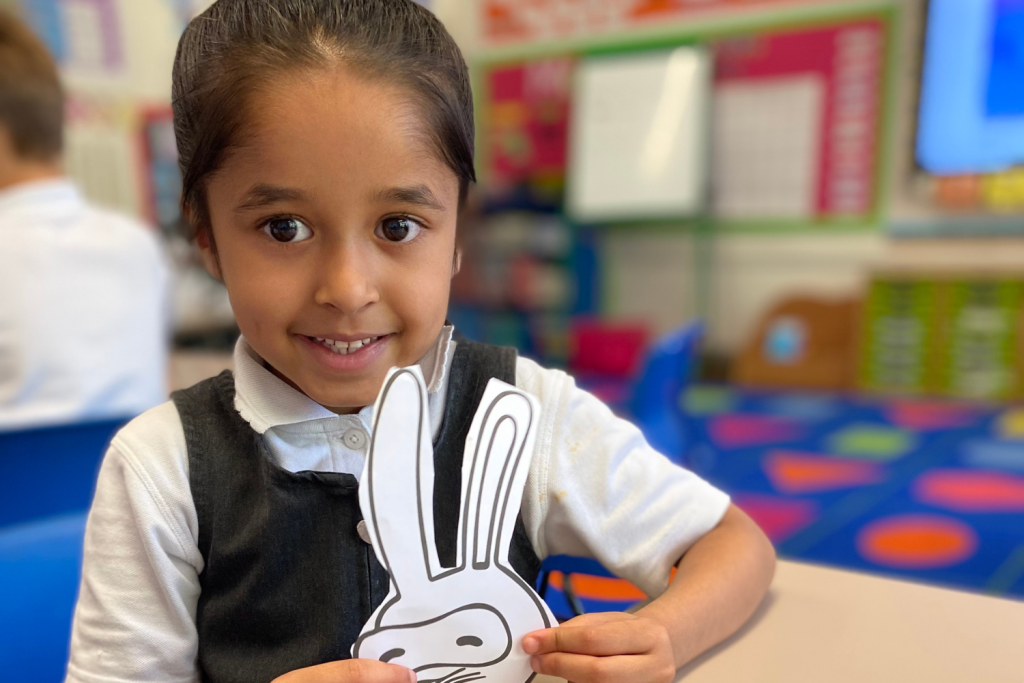
Finding Bunny
Small children have big feelings
Familiar characters, stories, songs and activities make important emotional lessons fun and accessible
 Key Stage 1
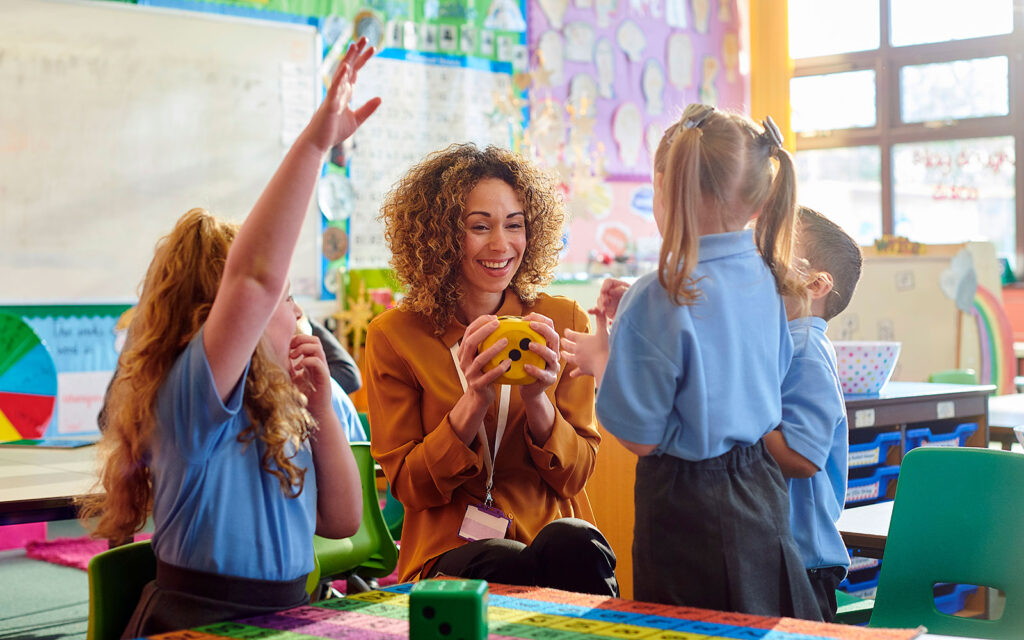
Sebby Star
An adventure through feelings
Children follow the adventures of Sebby Star in a story-based, immersive learning experience
 Key Stage 2
Years 3, 4 and 5
Deeper conversations. Practical tools.
A safe whole-class space to explore how children feel, how they express themselves and how they respond to others
 Year 6
Transition
Change can be exciting and unsettling
How to manage worries, where to find support and what helps to build confidence and resilience
 Teachers
Training
Every teacher can be a teacher of wellbeing
A practical framework for understanding children’s feelings, friendships and behaviour
 Get in touch
Book a call
Let’s talk about your school
If you are considering Heads Up Kids, a short conversation is the best place to begin
how it works
Three steps
01
Book a call
Tell us about your school.


02
Train your staff
Receive CPD-accredited training.

